
Introduction
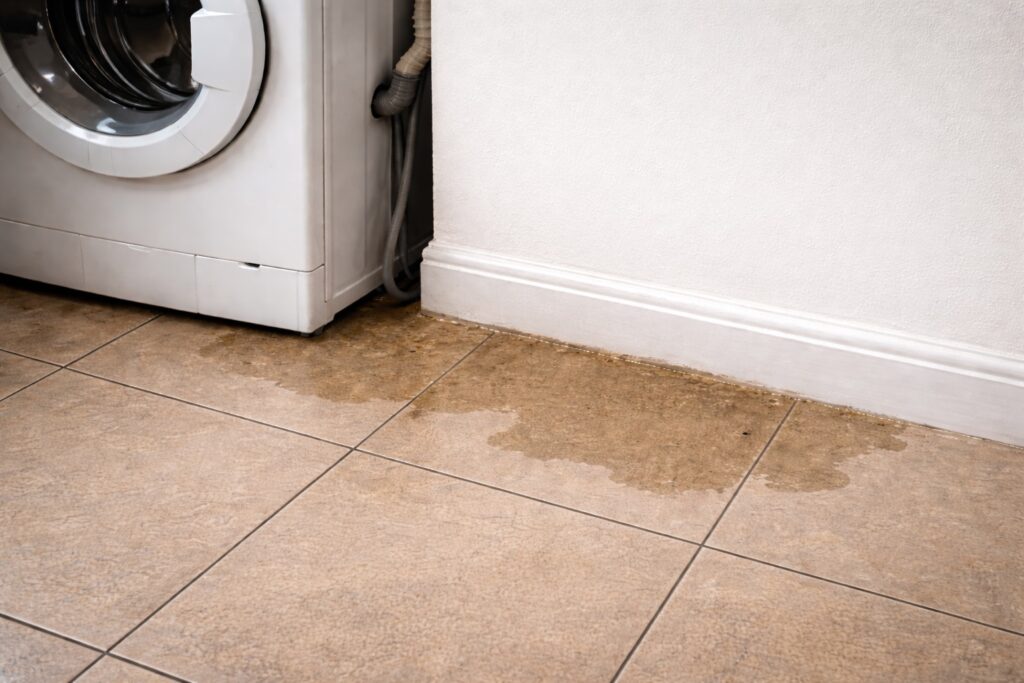
Washing machine leak water damage can be confusing and worrying, especially when you suddenly find water on the floor after a wash cycle. In UK homes, this is one of the most common household leaks, and the amount of water can often look worse than the actual problem.
Water spreads quickly across hard flooring, under appliances, and into nearby materials, making it difficult to judge how far it has travelled. Sometimes the signs of damage only appear later, once moisture begins to dry unevenly.
This guide explains the most common causes of washing machine leaks, what water damage you can safely check for yourself, and how to recognise when the issue may need further investigation. The aim is to help you stay calm, understand what you’re looking at, and reduce the risk of repeat leaks or hidden moisture problems.
Safety Notice
This article covers water damage caused by appliance leaks, which can affect flooring, plaster, and electrics. Avoid touching wet electrical components or lifting heavy appliances without help. If you notice structural movement or electrical issues, stop using the area. A professional assessment may be needed for larger leaks.
Common causes of washing machine leaks
Most washing machine leaks come from a small number of sources. Knowing these helps narrow down what to look for.
- Loose or damaged hoses, particularly the water inlet or waste hose
- A blocked or partially blocked waste pipe, causing water to back up
- An overfilled detergent drawer, leading to water spilling out during use
- Door seal issues on front-loading machines
- Movement during spin cycles, causing hoses to shift or loosen
- Internal faults, such as a worn pump or internal pipe
In many cases, the leak stops once the cycle finishes, which can make the cause harder to identify.
What you can safely check or do yourself
Safety Notice: Before checking behind or under appliances, ensure the area is safe and avoid touching wet electrical components.
You do not need to dismantle the machine or carry out technical repairs. These steps focus on safety, drying, and careful observation.
Step 1 – stop and isolate
If the machine is still leaking or there is standing water:
- Switch the machine off
- Turn off the water supply to the appliance
- Avoid running another cycle until checks are done
This helps prevent further water entering the area.
Step 2 – remove surface water
Use towels or cloths to soak up as much water as possible.
- Press down firmly rather than wiping
- Replace towels as they become wet
- Pay attention to the area directly around and underneath the machine
Standing water left on floors increases the risk of damage.
Step 3 – check visible connections
Once it is safe to do so:
- Look at the inlet hose at the back of the machine
- Check the waste hose where it connects to the drain
- Look for obvious drips, cracks, or loose fittings
Do not force connections or overtighten anything.
Step 4 – inspect the surrounding area
Water often spreads further than expected.
- Check nearby skirting boards
- Feel flooring around the machine for dampness
- Look under adjacent units if the machine is integrated
Make a note of how far the water appears to have travelled.
Step 5 – dry the area thoroughly
Drying properly is essential.
- Open windows and internal doors
- Use normal household heating
- Avoid covering damp flooring with mats or furniture
If water reached carpeted areas, our guide on how to dry carpet after a leak without causing mould or smells explains safe drying steps in more detail.
Step 6 – monitor over the next few days
Keep an eye on the area for:
- Damp patches that do not fully dry
- New staining or discolouration
- Musty or damp smells developing
These signs can indicate moisture trapped below the surface.
Signs the issue may be ongoing, hidden, or returning
Sometimes the initial leak is only part of the problem. Watch for these warning signs.
- Dampness returning after the floor seemed dry
- A persistent musty smell near the washing machine
- Flooring that feels soft, swollen, or uneven
- Skirting boards discolouring or pulling away
- The area around the machine feeling cooler than the rest of the room
These can suggest water has soaked into flooring, underlay, or the subfloor beneath.
Why unresolved washing machine leaks can lead to repeat problems
If the cause of the leak is not clearly identified or moisture is left behind, problems can return. Small or slow leaks may continue unnoticed, adding moisture each time the machine is used. Damp trapped beneath flooring can take much longer to dry than expected, even when the surface appears dry.
Over time, this can lead to recurring smells, repeat damp patches, or visible damage. This is similar to what happens with hidden household damp, which is explained more broadly in our article on damp smells in the house and what causes them. In most cases, the underlying issue is moisture that has not fully dried or a leak that has not been fully resolved.
When further investigation is sensible
It may be worth seeking further advice if:
- You cannot identify where the water came from
- The area remains damp after several days of drying
- Smells keep returning, especially after using the machine
- The same issue happens again
- Flooring or nearby units show signs of swelling or damage
This is not about assuming serious damage, but about preventing a manageable issue from becoming an ongoing one.
When to Call a Professional
If you notice significant damp, mould, water damage, structural movement, electrical issues, gas appliance problems, or anything that affects the safety or stability of your home, it’s important to speak with a qualified professional. This website offers general guidance only and cannot assess individual properties. Avoid disturbing damaged, wet, or unstable materials, and do not attempt repairs involving structural elements, electrics, or gas systems. For insurance or legal questions, always check your policy documents or seek advice from a qualified adviser.
In-depth guide: Our Complete Guide to Water Damage.
Final Thought
Water damage after a washing machine leak is a common household problem and often looks more confusing than it is. In many cases, careful drying and basic checks are enough to prevent further issues.
If the cause is unclear, damp keeps returning, or signs of damage develop over time, getting local advice can help prevent repeat problems and longer-term damage. A calm, observant approach now usually makes the situation much easier to manage.
Frequently Asked Questions
How long does it take for water damage from a washing machine leak to dry?
Minor spills on hard flooring often dry within one to two days with good ventilation. If water has reached carpet, underlay, or flooring joints, drying can take longer. Dampness lasting more than a few days suggests moisture may be trapped.
Can water damage get worse after the leak has stopped?
Yes. Damage can become more visible as materials dry unevenly. Swelling, staining, or smells may appear days later, even if the leak itself has stopped.
Is it safe to keep using the washing machine?
It depends on whether the cause has been identified. If the source of the leak is unclear, continued use may allow more water to escape. Monitoring the next cycle carefully, once checks are done, can help spot repeat leaks.
Can smells or damp return after everything seems dry?
They can if moisture remains below the surface. This often shows up as musty smells, particularly in warm or humid conditions.
Do all washing machine leaks need professional help?
No. Many leaks are caused by loose hoses or temporary overflows and can be resolved once identified. Further investigation is more useful when leaks repeat, damage spreads, or drying does not resolve the issue.