
Introduction
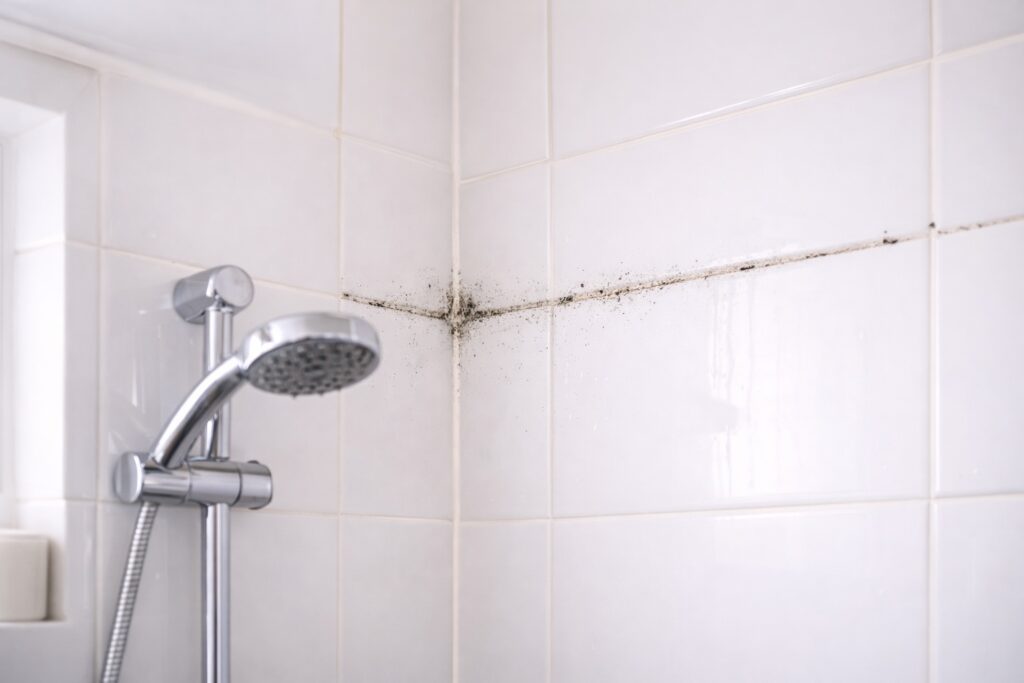
Bathroom mould that keeps coming back is a common frustration in UK homes. You clean it, the surface looks clear, and within weeks, sometimes days, the dark marks begin to reappear around tiles, sealant, ceilings, or window frames. It can feel like a never-ending cycle.
In most cases, recurring bathroom mould looks worse and more worrying than it actually is. Bathrooms are naturally humid spaces, and even well-maintained homes can struggle with moisture build-up, especially during colder months. Repeated regrowth usually points to ongoing moisture rather than a serious structural issue.
Understanding why bathroom mould returns, and what practical steps can reduce it, helps you move from repeated cleaning to addressing the root cause calmly and effectively.
Safety Notice
This article discusses recurring bathroom mould, which may indicate ventilation or moisture issues. Avoid disturbing mould without proper precautions. If you notice spreading growth or persistent dampness, limit exposure. Professional advice may be needed for ongoing problems.
Why bathroom mould keeps returning
Mould needs three things to grow: moisture, a surface to settle on, and time. Bathrooms provide all three on a regular basis.
The most common causes include:
- Condensation after showers or baths
Warm, moist air settles on colder surfaces such as ceilings, tiles, grout, and window frames. - Inadequate ventilation
Extractor fans that are weak, blocked, or not used long enough allow moisture to linger. - Cold surfaces
External walls, ceilings, and corners cool quickly in UK properties, encouraging condensation. - Sealant and grout absorption
Silicone sealant and grout can trap moisture, allowing mould to regrow from within. - Limited airflow behind fittings
Areas behind toilets, under sinks, or around bath panels may stay damp for longer. - High household humidity
If the rest of the home has elevated moisture levels, the bathroom dries more slowly.
Recurring mould usually means moisture is still present in the room on a regular basis, even if surfaces appear dry between uses.
What you can safely check or do yourself
If bathroom mould keeps returning, practical adjustments can often make a noticeable difference.
- Check the extractor fan
Make sure it switches on properly and runs for long enough after showers. If it stops quickly, moisture may not be clearing fully. - Ventilate after bathing
Leave the bathroom door slightly open once steam has settled, allowing air to circulate through the home. - Wipe down wet surfaces
Removing visible condensation from tiles, windows, and mirrors reduces how long moisture sits. - Keep the room gently warm
A consistent temperature helps prevent cold surfaces where condensation forms. - Inspect sealant and grout
If mould appears embedded within silicone or grout, moisture may be trapped inside these materials. - Move items away from walls
Bottles, baskets, and storage units can restrict airflow around problem areas. - Monitor patterns
Notice whether mould worsens in winter, after busy mornings, or when windows remain closed.
If you want a broader explanation of why mould forms indoors, the article why mould grows indoors in UK homes explores the link between humidity and recurring surface growth.
Signs the issue may be more than surface condensation
In many cases, bathroom mould is linked to condensation alone. However, certain signs suggest moisture may be coming from elsewhere.
- Mould appears on lower walls rather than just ceilings and corners
- Paint bubbles or plaster softens
- Damp patches remain even when the room is not in use
- A persistent musty smell lingers
- Mould spreads beyond typical condensation areas
- The extractor fan runs but humidity remains high
These signs do not automatically mean serious damp, but they may indicate hidden leaks, inadequate ventilation systems, or moisture penetrating from adjacent rooms.
Why mould keeps coming back if moisture is unresolved
Cleaning visible mould removes the surface growth, but it does not remove the conditions that caused it. If moisture levels remain high, spores in the air will settle and regrow.
Bathrooms in UK homes often experience daily cycles of steam and cooling. Without effective moisture removal, this cycle repeats, allowing mould to re-establish itself quickly. Over time, trapped moisture can affect decorative finishes and lead to further deterioration.
Understanding how moisture behaves in buildings can help explain these patterns. The guide understanding the causes and risks of damp in homes provides a wider look at how damp develops and why it can be persistent.
When further investigation may help
If mould returns despite consistent ventilation, wiping down surfaces, and maintaining steady temperatures, further investigation may be helpful. Hidden plumbing leaks, poorly insulated walls, or extractor fans that vent incorrectly can all contribute.
UK properties vary in age and design, which affects how moisture moves through the building. If the cause remains unclear or the problem worsens, local advice can help identify contributing factors and prevent longer-term damage.
The aim is clarity and prevention, rather than assuming the worst.
When to Call a Professional
If you notice significant damp, mould, water damage, structural movement, electrical issues, gas appliance problems, or anything that affects the safety or stability of your home, it’s important to speak with a qualified professional. This website offers general guidance only and cannot assess individual properties. Avoid disturbing damaged, wet, or unstable materials, and do not attempt repairs involving structural elements, electrics, or gas systems. For insurance or legal questions, always check your policy documents or seek advice from a qualified adviser.
In‑depth guide: Our Complete Guide to Mould & Damp in UK Homes
Final Thought
Bathroom mould that keeps returning is usually linked to ongoing moisture rather than a major fault. Small adjustments to ventilation, airflow, and temperature often make a noticeable difference. If the cause remains unclear or mould continues to spread, local advice can help prevent repeat problems and protect the room over time
Frequently Asked Questions
How quickly can bathroom mould return after cleaning?
It can return within days if moisture levels remain high. In many cases, regrowth appears within a few weeks. The speed depends on ventilation and how quickly surfaces dry after use.
Can bathroom mould get worse over time?
Yes, if moisture continues to build up. Small patches can gradually spread to larger areas. Addressing airflow and humidity early reduces the risk.
Is it safe to deal with recurring bathroom mould myself?
Small areas can often be cleaned and monitored. If mould keeps returning despite practical changes, it may indicate an underlying moisture issue that needs closer attention.
Why does mould come back even when the bathroom looks dry?
Moisture can remain in grout, sealant, or colder surfaces even after visible water has evaporated. Daily steam exposure may recreate damp conditions repeatedly.
Can bathroom mould cause damage if left untreated?
Over time, persistent moisture can affect paint, plaster, and sealant. While this usually develops gradually, repeated regrowth suggests the conditions supporting mould are still present.